

Beyond 'Good Enough': Why Rheumatoid Arthritis Patients Need More Options
One patient’s journey highlights the importance of taking charge of your care and AbbVie’s commitment to helping those with autoimmune conditions.
Key Takeaways

There are 1.5 million people with rheumatoid arthritis (RA) in the United States.i The condition occurs when the body's defense mechanism — the immune system — attacks its own healthy tissues, creating inflammation that can cause significant pain and swelling, primarily in the joints.i Chronic inflammation from uncontrolled RA can also increase the risk of further disease complications.ii
Patients who recognize these signals can take an active role in advocating for their care by discussing treatment goals and options with their rheumatologist. But not all treatments work the same, and even those within the same class of medications function differently, so it is important for patients and providers to have clear conversations about what disease control looks like and what options they have to try other treatments.
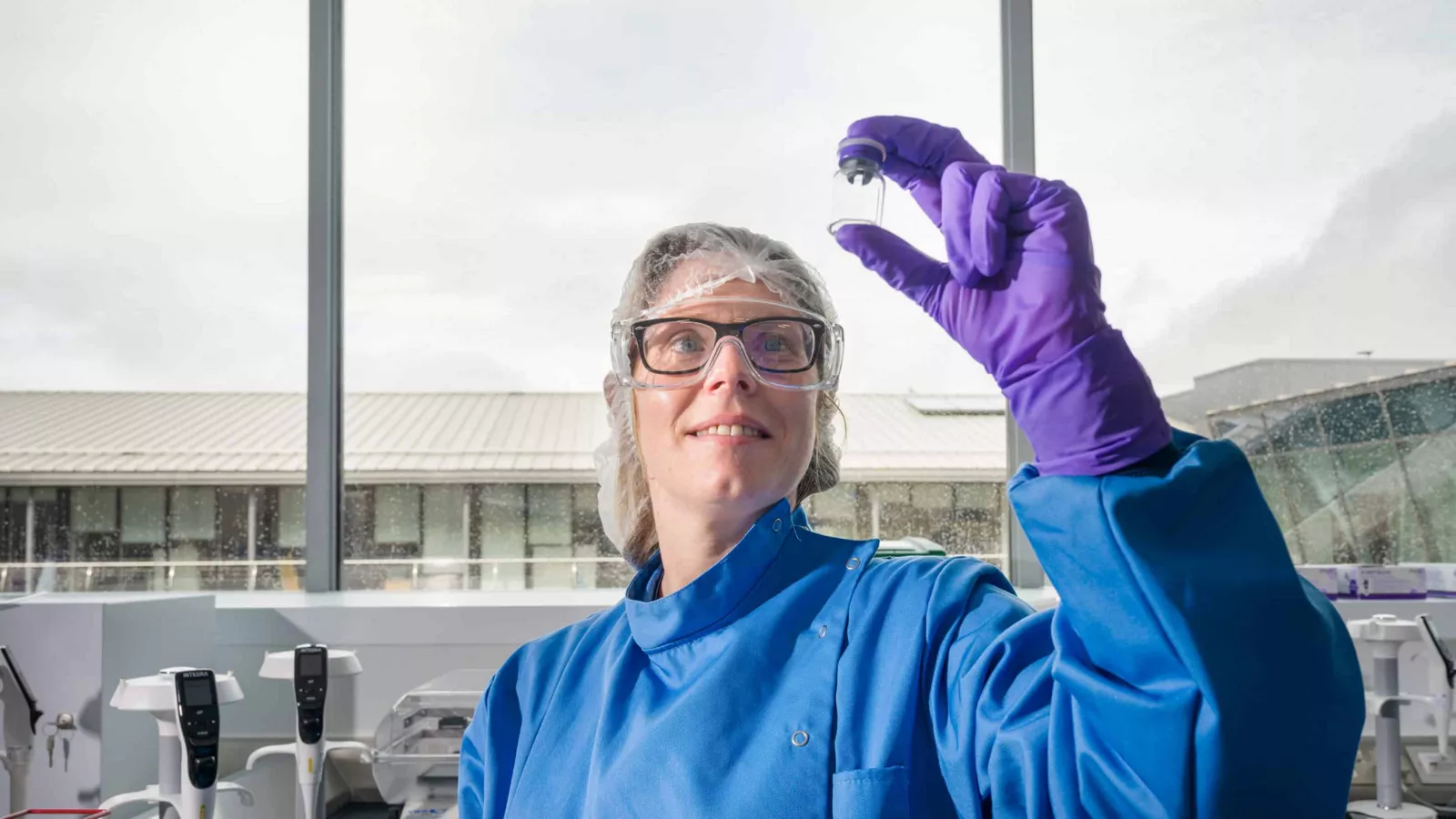
AbbVie is dedicated to advancing personalized RA care and addressing patient’s unmet needs. Scientists at AbbVie are conducting research to better understand what drives autoimmune conditions like RA and to develop additional treatment options for patients unable to achieve adequate control with current treatments.
Wife, mother, grandmother and caregiver are just a few of the roles Sharon fills in her hometown of Albany, Georgia. For years, her life centered on supporting others, including through her career as a teacher and department chairperson at a local community college. “I loved working with the students. I loved helping them,” she says.
However, several years ago, she began experiencing excruciating pain from rheumatoid arthritis (RA). “All of my joints were swollen and inflamed, and I had trouble with mobility,” she explains. Within a short time, her familiar role had reversed, and she became the one in need of care.
“Rheumatoid arthritis is a disease that asks a great deal from the people who live with it, not just physically, but in every dimension of daily life,” says Kori Wallace, M.D., Ph.D., vice president, global head of immunology clinical development, at AbbVie.
Simple tasks like getting dressed, tying her shoes and opening a water bottle often required Sharon to get help from her husband of 37 years, Raymond. He even installed rails in their home to help her move around.
“The most painful thing was that I couldn’t fix it,” said Raymond. “I thought if anybody had to be in pain, it should be me, not my wife. That was the toughest part.”

Sharon, who lives with rheumatoid arthritis, enjoys a visit with her young grandson.
Not all treatments are the same
Sharon’s RA symptoms became so severe that she had to retire from the job she loved, while she cycled through multiple doctors and several medications.
According to Dr. Wallace, this is a common challenge for someone with RA. With many options available, identifying the right therapy can take time, and patients frequently cycle from one treatment to another.
The first RA treatment Sharon tried provided only partial improvement, but she still had issues with mobility. Sharon worked with her rheumatologist and had to switch treatment multiple times until she found a care plan that works for her.
“Persistent pain, morning stiffness, recurring flares and fatigue that interferes with daily life are not simply the cost of having RA. They are signals worth acting on,” said Dr. Wallace. An inadequate response, loss of effectiveness and concerns about tolerability often lead to patients trying more than one medication before finding what works for them, just like Sharon.
Even people in clinical remission can still experience pain, fatigue and difficulty with daily activities, underscoring why being in remission does not mean the absence of symptoms.iii While effective options exist for RA patients, there still is an unmet medical need for additional options. AbbVie is focused on addressing these gaps, especially for those who have not achieved sufficient disease control.
The future of RA points toward more personalized care. For patients like Sharon, this means not settling for “good enough.” “Don’t give up,” she urges others living with RA. “It took me a while to get here.”
Today, Sharon enjoys exercising regularly and learning pickleball. But her favorite activity is spending quality time with her young grandson, she says: “He never misses a chance to tell me, ‘Grandma, I just love you!"'
Dr. Wallace urges patients to be like Sharon: be proactive and speak with your doctor if you feel your current treatment isn’t working well. Ask if you should consider a different medicine or treatment class.
Tell your rheumatologist if you are having trouble with daily activities and share which ones. For more information and resources, visit RA.com.
Related Content



Unless otherwise specified, all product names appearing in this internet site are trademarks owned by or licensed to AbbVie Inc., its subsidiaries or affiliates. No use of any AbbVie trademark, trade name, or trade dress in this site may be made without the prior written authorization of AbbVie Inc., except to identify the product or services of the company.
Copyright © 2026 AbbVie Inc. North Chicago, Illinois, U.S.A.
