Understanding Migraine
Personal Stories Inspire Scientific Progress
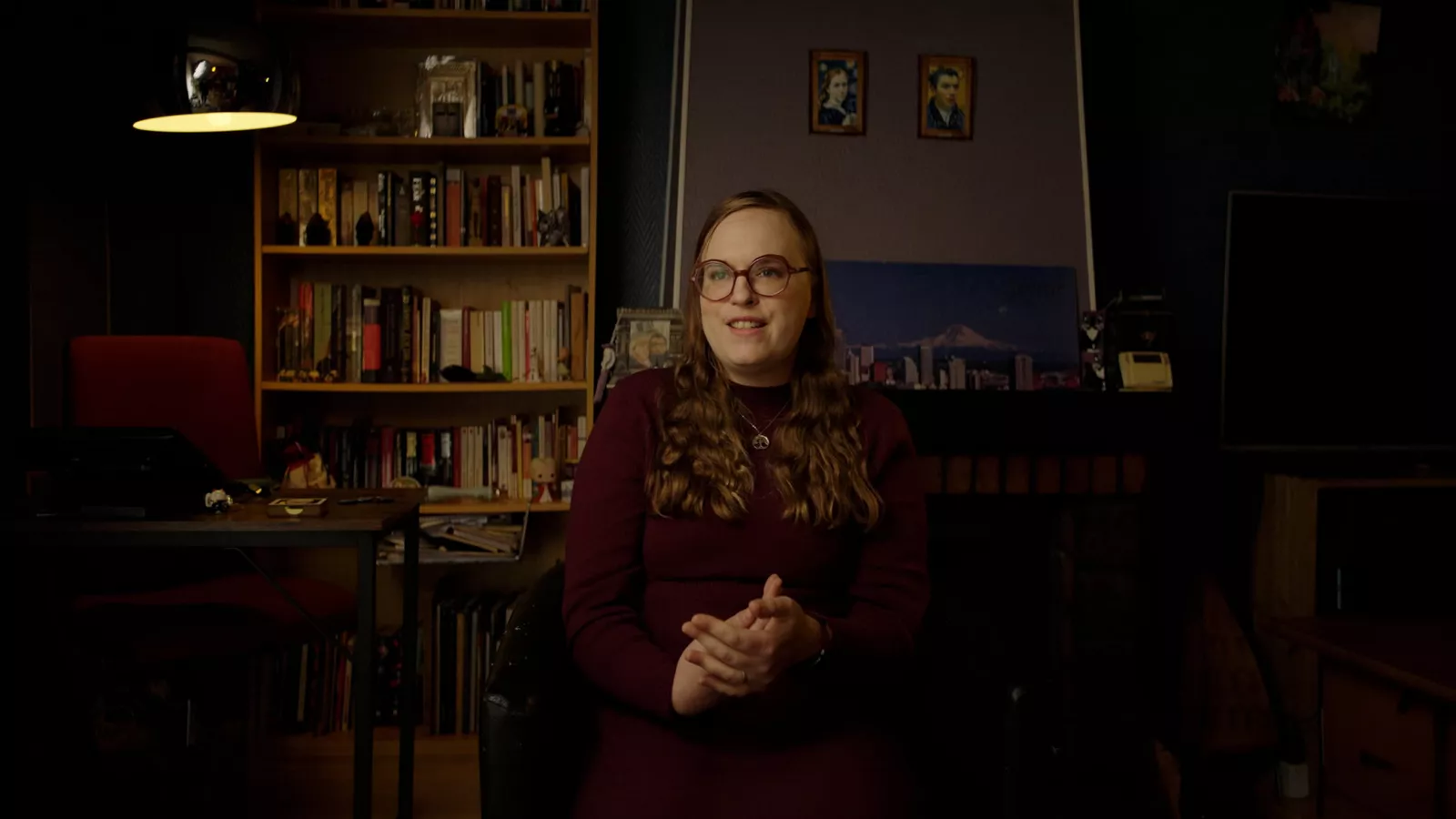
For Morgane and Antonia, migraine changed everything. Now they’re working to change the conversation around this often-stigmatized condition.
Migraine is a complex neurological disease affecting 1 billion people globally. Yet stigma and lack of awareness often result in delayed diagnosis and may limit patients’ access to care.

Migraine affects approximately 14% of the global population, with women disproportionately impacted.
The economic burden of migraine exceeds that of cardiovascular disease or diabetes in most countries, driven by direct medical costs and lost productivity.
AbbVie is advancing migraine awareness, research and patient education, while patients like Morgane and Antonia are working to empower others with migraine to speak up about their experiences.

Personal Stories Inspire Scientific Progress
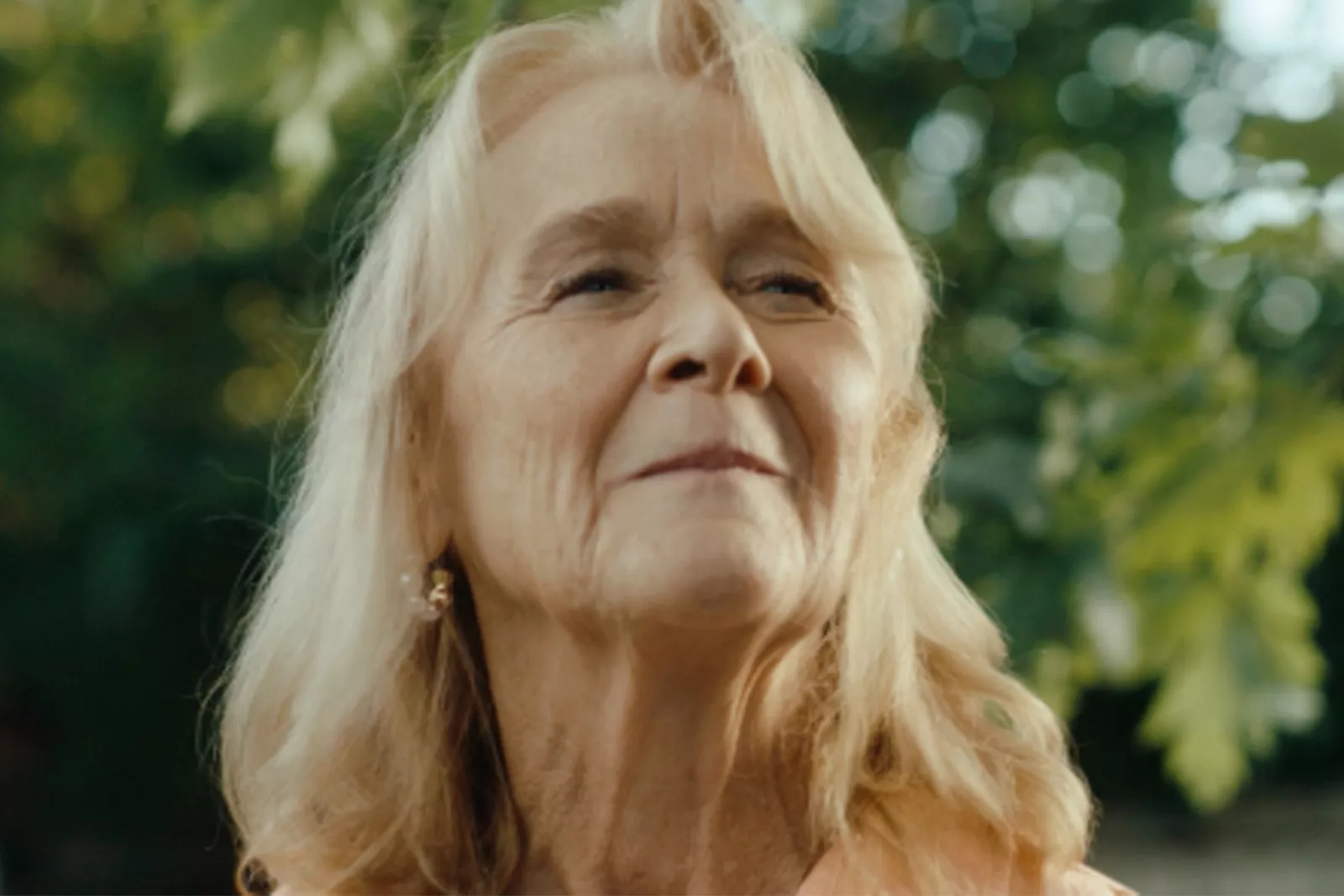
The first migraine attacks came from nowhere. After finishing university and starting her career as a translator, Morgane started to feel unwell. Her days would be derailed by splitting headaches, nausea and fatigue. “I felt like a caged lion,” she says. “My life shifted because it was a survival to keep my job.”
Morgane had to work harder than others in her career, she says. The disease started to take away her ability to work and threatened her professional life. At first, people didn’t understand the severity of her disease, and she began to fall behind. After living with the disease for some years, she eventually stopped working.

Morgane, at home with her husband, Fernando
Now Morgane is a volunteer at a French migraine patient group, where she helps raise awareness of the daily challenges that migraine cause.
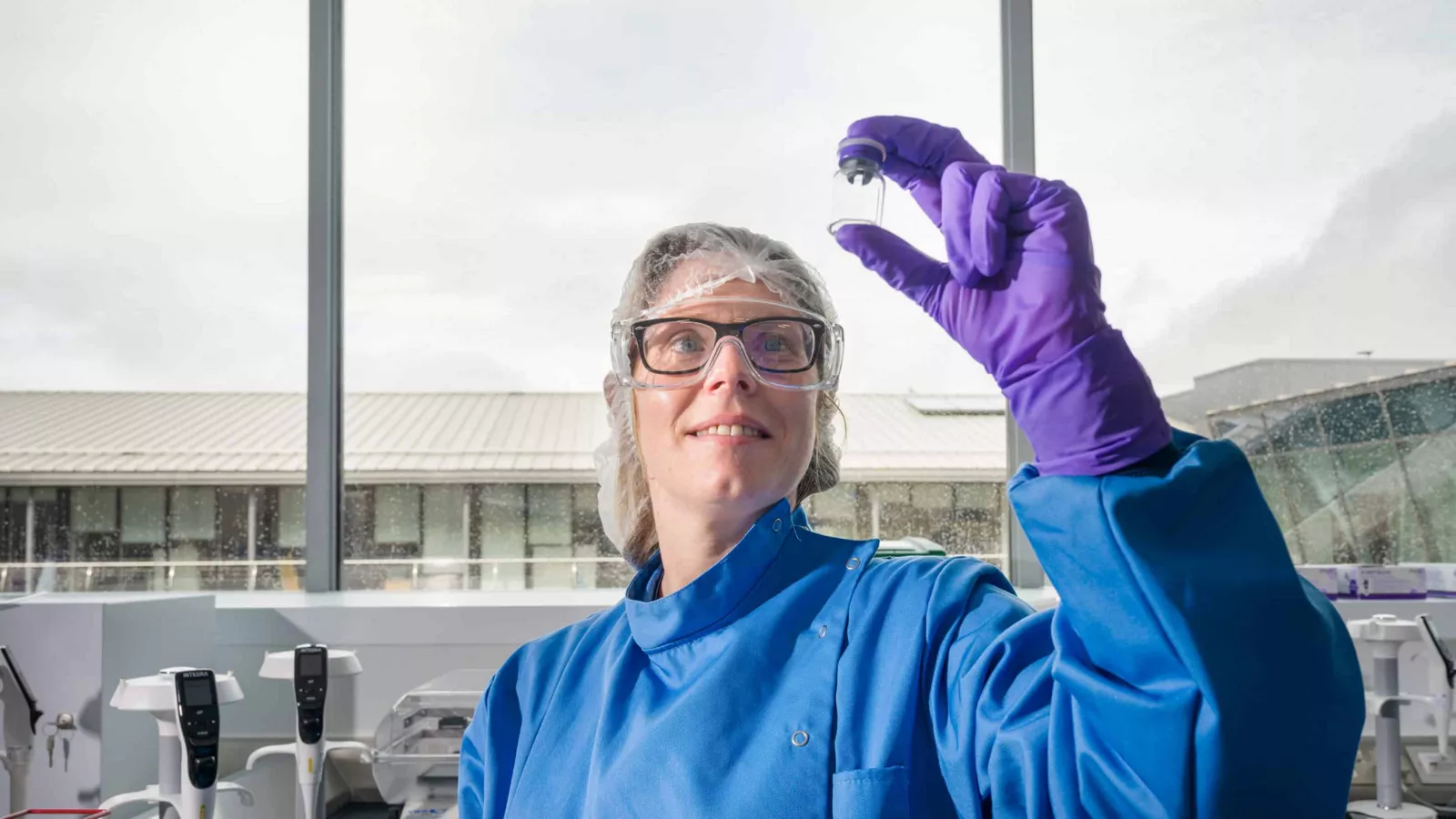
Morgane’s experience of having her migraine attacks dismissed as “just a headache” is familiar to many people who have the disease, says Aubrey Adams, therapeutic area head for migraine at AbbVie.
Adams was motivated to work in migraine research after seeing how affected her mother and sister were by the disease. “There is a lack of awareness and a lack of diagnosis around migraine,” she says, adding that because each person’s experience is different, people might not immediately understand that they have this neurological disease.
For example, Antonia Cancino’s symptoms started at the age of five, when she began to miss a lot of school. “I would say that I have a headache and abdominal pain,” she recalls. Initially, she was unsure about the cause of her illness.

Antonia Cancino, migraine advocate
Cancino lives with migraine and founded a patient group in her home country of Chile. She says she was conscious from a young age that she was different from her peers. She had to work harder than her classmates to keep up in lessons because of the amount of school she missed. Her brain felt foggy, and she struggled to concentrate. She would suddenly feel unwell and would have to skip birthday parties or after-school clubs as a result.
“I wanted to be a football player when I was a child,” says Cancino, but that dream was short-lived. The effort required to run was too much, and she became reclusive and shy as she withdrew from her friends. She felt anxious but says she had trouble describing her symptoms to doctors.
By eight years old, after several consultations, Cancino had received a diagnosis – when she felt ill, she was having a migraine attack. Categorized by symptoms like blinding headaches, visual disturbances called “auras” (often in the form of bright spots or halos), sensitivity to lights, sounds and smells, physical pain, stiffness or loss of control in one side of the body, fatigue and vomiting, migraine is considered one of the most debilitating diseases in terms of the loss of quality of life.1

Dr. Mario Peres, Founder, São Paulo Headache Center and President of the International Headache Society
It’s a disease that around 14% of the global population,2 or about 1 billion people,3 will have at some point in their lives. But some people are more likely to be impacted than others. “If you’re in a room with four or five women, chances are one of them has migraine,”4 says Adams. Women also report longer, more frequent and more intense migraine attacks than men.5
Why women, and particularly women from their teens to around their 40s,6 are more impacted is not known, says Patricia Pozo-Rosich, head of the neurology department and lead of the research group in headache and neurological pain at Vall d’Hebron University Hospital, as well as director of the Migraine Adaptive Brain Center in Barcelona, Spain.
The economic costs of migraine on men and women can be “heavy,”7 and affect women disproportionately.8 From direct costs like pharmacy expenses, hospitalizations and medical tests to indirect costs like loss of work and reduced productivity, migraine can financially set back those affected. Lost productivity, as measured by gross domestic product (GDP), due to people being affected by migraine can be greater than the impact of cardiovascular diseases or diabetes in some countries.

As a proportion of GDP, migraines’ socioeconomic impact exceeds that of cardiovascular disease or diabetes in most countries. Across the countries shown, migraine represents a larger share of socioeconomic impact relative to cardiovascular disease and diabetes.
Technology is helping to accelerate the pace of innovation. AbbVie researchers have access to some of the most comprehensive data sets in immunology, and they’re leveraging artificial intelligence tools to mine data strategically for relevant patient profiles, to assess treatment results and determine new molecular targets and clinical options.
Unlike other diseases, there are no biological markers for migraine disease9 that are widely used in clinical practice. This means that identifying the presence of the disease in people is not commonly done through medical tests. Because of migraine’s complexity and the stigma associated with it, some people living with the disease may be reluctant to come forward to discuss their symptoms.
“Understanding the disease as a totality is quite complex because we don’t understand what actually causes migraine from a biology or pathophysiology standpoint,” agrees Adams. “If you don’t know why it’s happening and then why it progresses, it makes it very difficult to study. That’s why AbbVie is dedicated to the research of migraine science, educating around the awareness of migraine and the diagnosis of migraine.”

Aubrey Adams, Therapeutic Area Head, Migraine at AbbVie
According to the Atlas of Headache Disorders and Resources in the World, more than half of the world’s population10 with migraine face substantial barriers to accessing care, highlighting a major, ongoing gap in how migraine is managed. It can be challenging for patients to navigate healthcare systems and find a specialist to diagnose them with migraine. “It took about three years to have a diagnosis. But for most patients, it takes too long. So I’m one of the lucky ones, I guess,” Morgane says.
When patients visit a provider, they can still feel frustrated when their experiences aren’t taken seriously. In fact, a recent survey conducted by the European Migraine and Headache Alliance found that many patients with migraine feel like their experiences aren’t fully understood by medical professionals.11

Patricia Pozo-Rosich, Head of the neurology department at Vall d’Hebron University Hospital, and director of the Migraine Adaptive Brain Center in Barcelona, Spain
Despite these gaps, coordinated patient action can help build bridges for patients. Cancino continues to raise awareness by hosting workshops for patients through her patient group, and she has designed a calendar that patients can download to record their attacks to use as data when they go to their doctor. “I’m really proud,” says Cancino, “because [this group] is a community that represents Mexico, Argentina, Spain. So it’s not only in Chile.”
Underlying the drive to advance migraine awareness and research is an understanding of the profound effects that access to care can have. “Leaving people untreated has a societal cost,” says Adams. “When we invest in research and provide better care to people, we enhance the well-being of those living with the disease, which ultimately leads to a positive impact on our communities.”
Pozo-Rosich, Cancino, Adams and Peres hope that by raising awareness of the symptoms, highlighting the importance of preventive measures and encouraging people to seek medical expertise if they are concerned, more people can live fuller lives without the debilitating effects of migraine. “The big problem is that we meet patients when they are 40, when it becomes really severe and people seek help,” says Pozo-Rosich. “I wish we could meet them sooner.”
This article and film were produced for AbbVie by BBC StoryWorks Commercial Productions.


Unless otherwise specified, all product names appearing in this internet site are trademarks owned by or licensed to AbbVie Inc., its subsidiaries or affiliates. No use of any AbbVie trademark, trade name, or trade dress in this site may be made without the prior written authorization of AbbVie Inc., except to identify the product or services of the company.
Copyright © 2026 AbbVie Inc. North Chicago, Illinois, U.S.A.
The product-specific site Internet site that you have requested is intended for the residents of a particular country or countries, as noted on that site. As a result, the site may contain information on pharmaceuticals that are not approved in other countries or region. If you are a resident of a country other than those to which the site is directed, please return to AbbVie.com or contact your local AbbVie affiliate to obtain the appropriate product information for your country of residence. The Internet site that you have requested may not be optimized to your screen size. Do you wish to continue to this product-specific site?