
Resilient Reality: The Emotional Toll of Ovarian Cancer
Learn how ovarian cancer impacts the mental, emotional and social facets of women’s lives, and underlie the need for ongoing research and support.
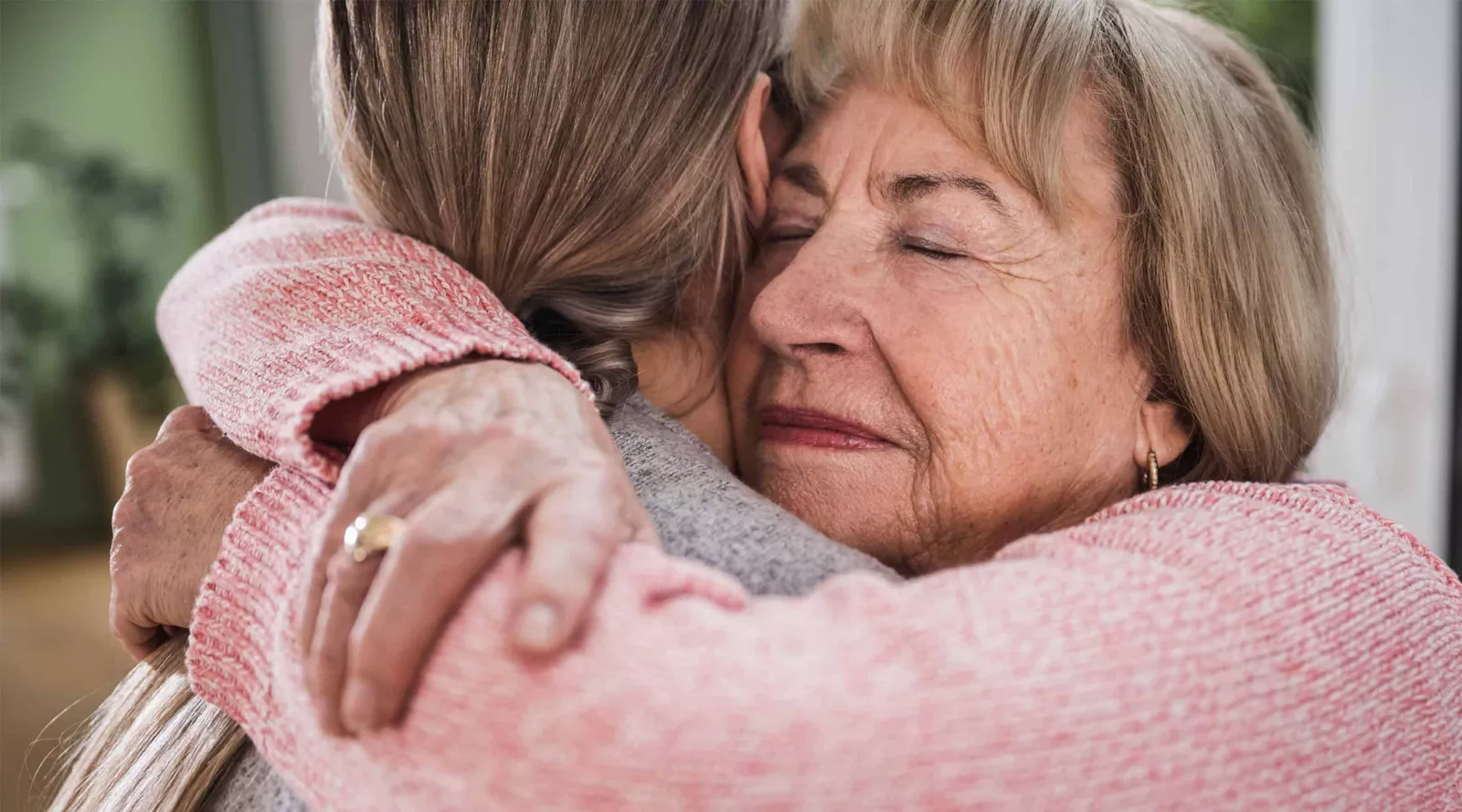
Carolyn Groves, a devoted mother and now former nurse from Perth, Australia, is one of many women who saw everyday life upended when she received her diagnosis of late-stage ovarian cancer in 2022.
Within weeks of receiving the news, Carolyn went from working 10-hour days in a hospital to suddenly losing her independence, career and social life.
“I used to be someone who was a volunteer in the community, somebody that was looking after others, and being a support person for my family. But now all the roles have reversed,” she said.
Carolyn’s journey since has been marked not just by physical changes, such as hair loss and fatigue, but also mental, emotional and social ones. Such challenges are not uncommon among the estimated 600,000 women living with ovarian cancer.1 Their experiences underscore the need for greater access and support for patients, and AbbVie’s commitment to research in oncology, which aims to improve outcomes and quality of life for patients living with difficult-to-treat cancers.
Effects on mental health
Because symptoms can be subtle, easily overlooked or mistaken for other conditions, ovarian cancer is rarely diagnosed early. On top of that, recurrence rates are high—hovering around 80%2—creating conditions that can, for many women, stoke fear and anxieties.
While mental health is as important to women with ovarian cancer as their physical health for their quality of life, it often gets overlooked, according to the World Ovarian Cancer Coalition’s Every Woman Study, which surveyed more than 1,500 women with ovarian cancer globally. In their survey, just 28% of women say they were offered support by a healthcare professional for their mental health.1

Altering relationships with family and community
Managing life with ovarian cancer can also alter social connections for many women. For some it can be isolating, and for others it can demand a complete shift in how they interact with friends and family. For Carolyn, it meant having to completely rethink where she could go, what she could eat and when.
“Socially, I have to really think about what I’m going into. Has the place got stairs? Are we going out to dinner somewhere that I can eat? If I’m going away, does it fit with the chemotherapy cycle?” she says. “It’s just layers of complexity on what you do every day.”

Shifting from her role as a person supporting other people, both as a nurse and as a mother, to being the one needing support has also changed the dynamics of a lot of relationships, Carolyn says.
“As a parent it’s been very, very hard for my children that I’m no longer the same mother. Even though they’re grown men, I’m no longer the capable mother that’s there to support them in the same way I used to be able to,” she says.
Shifting careers and roles in the workplace
Along with affecting relationships, an ovarian cancer diagnosis can affect a woman’s ability to work. Because care plans can often involve multiple rounds of chemotherapy or other therapies, surgery, hospital visits or extended time away are all too common.
Taking time to get to and from appointments, receive treatment and recuperate from that treatment can cause many women to miss days or weeks of work or require them to quit working all together. Carolyn is one of many who found herself too ill to work, requiring her to leave her nursing career.
“Ovarian cancer takes many of us out in the prime of our lives, when we should still be working and should still be looking after our families,” she says.
“Instead of having us being a burden in the community because we're unwell, it would be really nice if there were ways to diagnose us quickly, have treatment earlier and cures so that we can carry on our role in society.”
Stories like Carolyn’s inspire AbbVie’s research in oncology, which aims to improve outcomes and quality of life for patients living with difficult-to-treat cancers. Learn more about our research.
References
- Reid, F., Bhatla, N., Oza, A. M., Blank, S. V., Cohen, R., Adams, T., Benites, A., Gardiner, D., Gregory, S., Suzuki, M., & Jones, A. (2020). The World Ovarian Cancer Coalition Every Woman Study: identifying challenges and opportunities to improve survival and quality of life. International Journal of Gynecologic Cancer, 31(2), 238–244. https://doi.org/10.1136/ijgc-2019-000983
- Luvero, D., Plotti, F., Aloisia, A., Montera, R., Terranova, C., Carlo De Cicco Nardone, Scaletta, G., Lopez, S., Miranda, A., Capriglione, S., Gatti, A., Pierluigi Benedetti Panici, & Angioli, R. (2019). Ovarian cancer relapse: From the latest scientific evidence to the best practice. Critical Reviews in Oncology/Hematology, 140, 28–38. https://doi.org/10.1016/j.critrevonc.2019.05.014
Media inquiries:
[email protected]


Unless otherwise specified, all product names appearing in this internet site are trademarks owned by or licensed to AbbVie Inc., its subsidiaries or affiliates. No use of any AbbVie trademark, trade name, or trade dress in this site may be made without the prior written authorization of AbbVie Inc., except to identify the product or services of the company.
Copyright © 2026 AbbVie Inc. North Chicago, Illinois, U.S.A.
